6 Hidden Plumbing Leaks Destroying Your Home From the Inside Out

Small plumbing drips can silently destroy your home from within. Learn the 6 most common plumbing leaks causing hidden moisture damage and how to spot them before they become costly disasters.

Plumbing leaks are rarely obvious right away, which makes them incredibly dangerous for your home. In many Connecticut residences, a small drip under a sink, behind a wall, or near an appliance can go completely unnoticed until moisture begins affecting nearby materials. During late spring, when humidity rises and families start using more water indoors and outdoors, plumbing leaks hidden moisture problems can quickly escalate into serious structural damage. What starts as a minor issue may eventually lead to stained surfaces, damp cabinets, musty odors, or extensive water damage. Consequently, understanding where these leaks commonly start helps homeowners catch problems early and prevent more serious damage later.
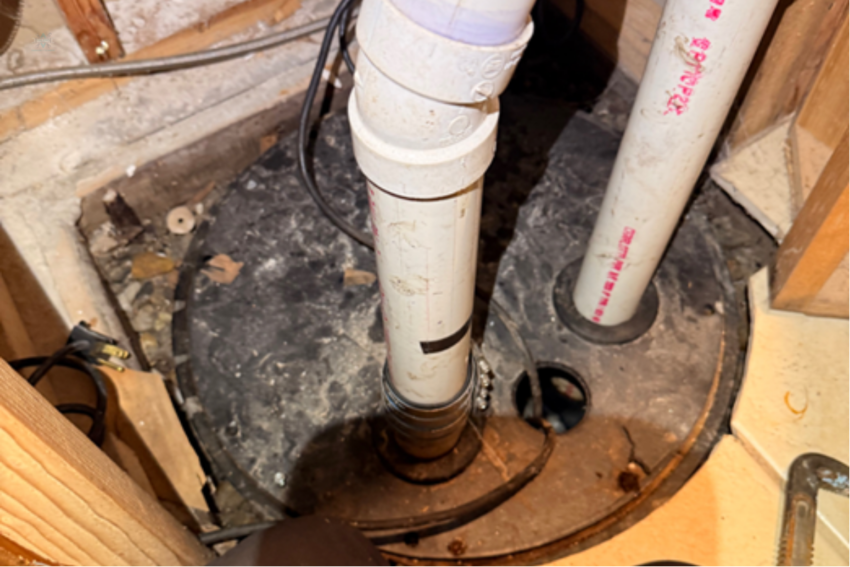
A black sump pump basin cover with white PVC discharge and vent pipes installed in a basement floor.

1. Leaks Under Sinks: The Silent Cabinet Destroyers

Under-sink leaks rank among the most common plumbing issues homeowners encounter. These leaks typically originate from loose connections, worn seals, drain pipes, supply lines, or shutoff valves. Unfortunately, because the area under a sink is often filled with cleaning products, trash bags, or household items, small leaks may stay hidden for weeks or even months.
 
Signs of an under-sink leak may include:
  • Damp cabinet flooring
  • Warped wood surfaces
  • Musty odors emanating from the cabinet
  • Visible staining around pipes
  • Dripping sounds when the area is quiet
  • Soft or swollen cabinet materials
 
Even a slow leak can create significant moisture problems if it remains trapped inside a cabinet. Therefore, checking under sinks regularly helps homeowners spot plumbing leaks before they affect surrounding floors or walls. For comprehensive plumbing repair services, our certified technicians can quickly diagnose and fix these hidden issues.

2. Washing Machine Hose Leaks: Flood Risk in Disguise

Washing machine hoses represent another common source of plumbing leaks inside the home. Over time, these hoses can weaken, crack, bulge, or loosen at the connection points. Because washing machines are often tucked into laundry rooms, closets, or basement areas, early signs of a leak may be easy to overlook.
 
A washing machine hose leak can lead to moisture behind the appliance, under flooring, or inside nearby walls. In some cases, a hose failure can release a large amount of water quickly, causing immediate flooding.
 
Homeowners should check washing machine hoses for:
  • Visible cracks or deterioration
  • Bulging or blistering on the hose surface
  • Rusted connectors at connection points
  • Damp flooring around the appliance
  • Loose fittings that need tightening
  • Water pooling behind the appliance
 
Replacing worn hoses before they fail significantly reduces the risk of unexpected water damage. Furthermore, scheduling seasonal plumbing maintenance ensures all appliance connections remain secure and functional.

3. Toilet Supply Line Leaks: Bathroom Foundation Threats

Toilet supply lines carry water from the wall or floor to the toilet tank. When these lines loosen, crack, or wear out, they can create slow leaks around the base of the toilet or behind the fixture. These plumbing leaks may not always be visible at first. Water can seep under flooring, collect near baseboards, or damage nearby materials before a homeowner notices the issue.
 
Warning signs may include:
  • Water pooling near the toilet base
  • Soft or spongy flooring around the toilet
  • Stains on the ceiling below an upstairs bathroom
  • A constantly running toilet
  • Dampness behind the toilet
  • Loose or corroded connections
 
Because bathrooms are already exposed to moisture, it can be easy to miss the difference between normal humidity and a developing leak. However, repeated dampness around the toilet should always be checked by a professional.

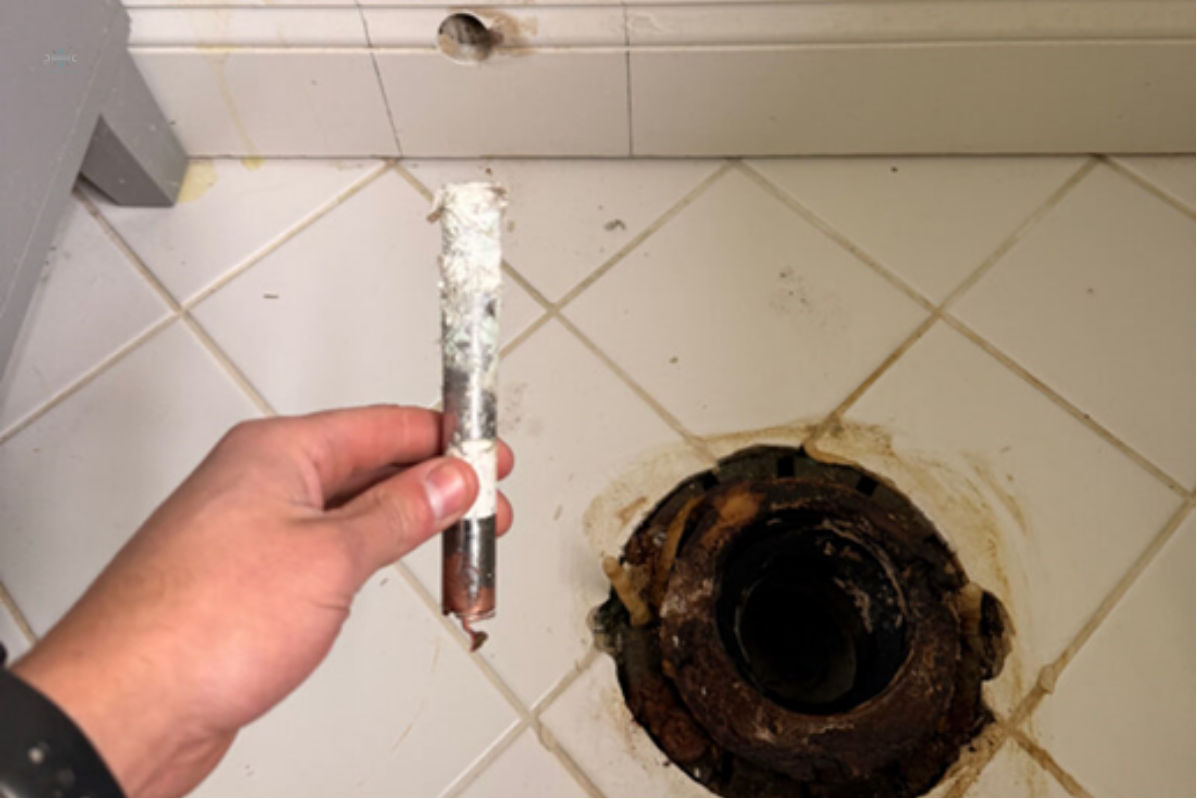
A hand holding a heavily corroded metal pipe nipple next to an old, rusted toilet flange on a tiled bathroom floor.

4. Water Heater Leaks: Basement Flooding Waiting to Happen

Water heaters can develop leaks as they age, posing significant risks to your home’s foundation and basement. Small leaks may appear around valves, fittings, supply lines, or the base of the tank. In some cases, corrosion inside the tank can also lead to water collected around the unit.
 
Because many water heaters are located in basements, utility closets, garages, or mechanical rooms, plumbing leaks in these areas may go unnoticed until there is visible water on the floor.
 
Signs of a possible water heater leak include:
  • Puddles forming near the tank
  • Rust or corrosion around fittings
  • Moisture accumulation near the base
  • Unusual noises coming from the unit
  • Reduced hot water performance
  • Water stains around the heater
 
A leaking water heater should be inspected quickly. Depending on the source of the leak, repairs may be possible, or replacement may be needed.

5. Outdoor Faucet Leaks: Exterior Damage That Spreads Inward

Outdoor faucets, also called hose bibs, can be severely affected by winter weather and seasonal use. After a cold Connecticut winter, seals, connections, or pipes leading to outdoor faucets may weaken significantly. When homeowners start using hoses again in spring and summer, these plumbing leaks may become more noticeable.
 
Outdoor faucet leaks can affect much more than just the outside of the home. If water enters near exterior walls, siding, or foundation areas, it may contribute to hidden moisture problems inside wall cavities or lower-level spaces.
 
Homeowners should watch for:
  • Dripping from the faucet when turned off
  • Water leaking behind the siding
  • Low outdoor water pressure
  • Water pooling near the foundation
  • Dampness inside near the faucet location
  • Cracks or loose fittings
 
If an outdoor faucet leaks only when it is turned on, the issue may be inside the wall rather than at the visible fixture.
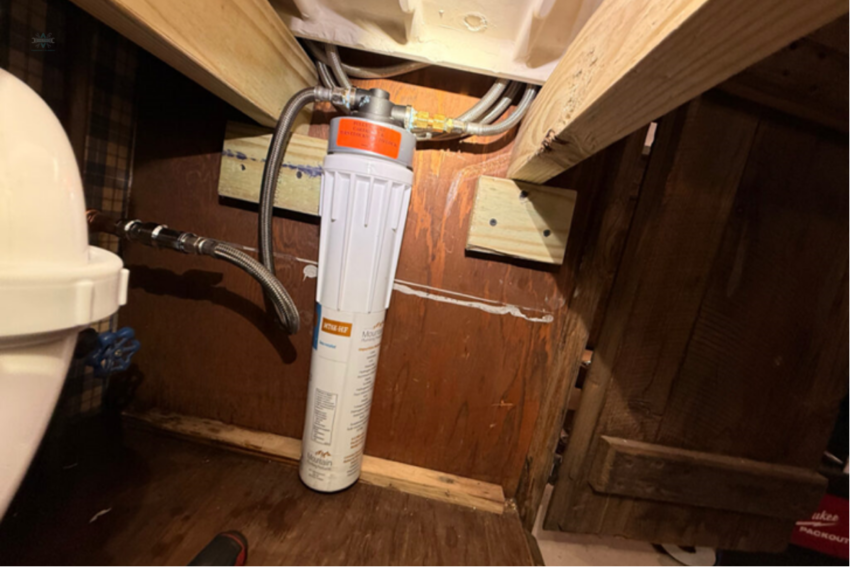
An under-sink water filtration cartridge system installed inside a wooden kitchen or bathroom cabinet.

6. Slow Pipe Leaks Behind Walls: The Invisible Destroyers

Some of the most concerning plumbing leaks are the ones homeowners cannot see at all. Pipes behind walls, ceilings, and floors can develop slow leaks due to age, corrosion, loose fittings, or pressure changes. These leaks may continue for a long time before visible damage finally appears.
 
Signs of a hidden pipe leak may include:
  • Stains appearing on walls or ceilings
  • Peeling paint or wallpaper
  • Bubbling or bulging drywall
  • Persistent musty smells
  • Unexplained increases in water bills
  • Damp baseboards throughout the home
  • Soft spots on floors
 
The Environmental Protection Agency notes that household leaks are important to find and fix, and its WaterSense program provides resources to help homeowners identify common leaks. If hidden plumbing leaks are suspected, a professional inspection can help determine exactly where the moisture is coming from.

Why Small Plumbing Leaks Demand Immediate Attention

Small leaks often seem manageable at first, especially if the water is not actively flooding the home. However, plumbing leaks can create much larger problems when moisture becomes trapped behind walls, under cabinets, or beneath flooring. Over time, ongoing moisture may contribute to wood swelling or warping, damaged drywall, musty odors, stained surfaces, flooring damage, and increased risk of hidden water damage.
 
The EPA explains that moisture control is key for preventing mold problems, and water-damaged areas should be dried quickly after leaks or spills. This is where plumbing and restoration concerns can overlap significantly. If plumbing leaks have already caused hidden moisture problems or visible damage, professional restoration services may be necessary after the plumbing issue is addressed.

What Homeowners Can Check Right Now

A quick inspection around the home can help identify plumbing leaks before they become more serious. Homeowners may want to check under kitchen and bathroom sinks, around toilets, behind washing machines, around water heaters, near outdoor faucets, basement ceilings below bathrooms, walls or floors with stains or soft spots, and areas with musty odors.
 
These checks are especially helpful before summer, before travel, or after periods of heavier household water use.

Don't Let Hidden Leaks Destroy Your Connecticut Home

If you notice signs of plumbing leaks, addressing them early can help prevent larger moisture and water damage problems. Valerio Emergency Plumbing helps homeowners identify and repair leaks, inspect plumbing systems, and address issues before they turn into emergencies. Whether the concern is under a sink, near a water heater, behind a wall, or around an outdoor faucet, having a professional take a look can provide peace of mind.
 
📞 If you are noticing signs of plumbing leaks in your home, call Valerio Emergency Plumbing today at (203) 515-8455 or visit https://valerio-plumbing.com to schedule your comprehensive inspection. Our licensed experts serve homeowners throughout Connecticut with fast, reliable, and affordable plumbing services. Don’t wait for hidden moisture to destroy your home—book your inspection now and protect your investment!

Local Accountability

Serving Fairfield County, CT

Valerio Emergency Plumbing is local, family owned and operated, proudly serving Connecticut communities with rapid assessment and professional execution. We are fully licensed and insured in the state of Connecticut.
Local Map Info

Local Priority Number

Emergency Dispatch Active

Need Skilled Plumbers in Norwalk?
Contact Valerio Plumbing Today!